Myth: If You Cannot See the Leak, You Need to Cut Open the Wall
The old approach was simple. You suspected a leak, so you cut a hole and looked. That logic still drives a lot of repair quotes in Brookstone, but it ignores twenty years of progress in non invasive detection. The reality is that thermal imaging cameras, calibrated moisture meters, and acoustic listening devices can locate the wet area inside a wall cavity with surprising accuracy. A trained technician can map the moisture footprint, identify the likely source, and confirm it with a pinless meter before any blade touches the drywall. When we do open a wall, the cut is small and intentional, sized to the actual damage rather than the guess. On a typical Brookstone call, the Brookstone Water Restoration crew arrives within 2 hours, walks the affected area with a thermal camera, marks suspect zones with painter's tape, and then verifies each mark with a pin meter reading. That sequence usually takes under an hour and tells us more than any exploratory cut ever could.
Myth: Thermal Cameras See Water Through Walls
This one gets repeated in YouTube videos constantly. The reality is that thermal cameras do not see water. They see temperature differences on the surface they are pointed at. Wet drywall is usually cooler than dry drywall because of evaporative cooling, so a leak shows up as a cool patch. That distinction matters because thermal alone can produce false positives from cold pipes, exterior wall studs, or enclosed wall spaces behind the surface. We always confirm thermal findings with a moisture meter reading. Lighting conditions, recent sun exposure on an exterior wall, and even a homeowner running a hot shower an hour earlier can all skew the thermal image. A camera in untrained hands becomes a confidence machine that points at the wrong spot. In trained hands, it is a screening tool that narrows the search area so the moisture meter can do the real confirming work. You can read more about how we use this technology in our overview of moisture mapping with thermal imaging.
Myth: Detection Costs Almost as Much as Just Opening the Wall
This is worth a closer look because pricing perceptions drive bad decisions. A non invasive detection visit in Central Indiana typically runs between zero and three hundred fifty dollars, depending on the provider and the scope. A targeted small access cut, made only after detection has confirmed the source, usually falls between two hundred and six hundred dollars including patch prep. Exploratory demolition, where a contractor opens a large section based on a guess, commonly runs five hundred to eleven hundred dollars before any repair begins. Full wall section repair after that kind of demo often lands between nine hundred and eighteen hundred dollars once drywall, texture, paint, and trim are restored. The reality is that Brookstone Water Restoration offers free assessments for water damage situations, so the up front detection cost to you is often zero. Demolition you cannot undo is the expensive path, not the cheap one.
Myth: All Wall Leaks Come From Plumbing
When water shows up on a wall, plumbing is the first suspect, but it is not the only one. Condensation on cold water lines, HVAC condensate overflow, exterior flashing failures, and window seal breakdowns all produce identical looking stains. The reality is that diagnosis matters more than assumption. We have arrived at jobs in Brookstone where the homeowner was ready to tear out a bathroom wall, and the actual source was a failed window seal one floor up. Opening that bathroom wall would have produced no answer and a four figure repair bill. Roof penetrations around vent stacks are another common culprit that mimics plumbing perfectly, because the water enters near a pipe and rides that pipe down through the framing.
Myth: You Have to Wait Days for a Detection Appointment
Many homeowners delay calling because they assume specialized detection means a long scheduling window. The reality is that Brookstone Water Restoration dispatches to Brookstone water damage calls within 2 hours in most cases, with detection equipment already loaded on the truck. The faster the assessment, the smaller the wet footprint, the smaller the eventual repair, and the lower the chance of mold growth taking hold inside the cavity.
Myth: A Small Stain Means a Small Leak
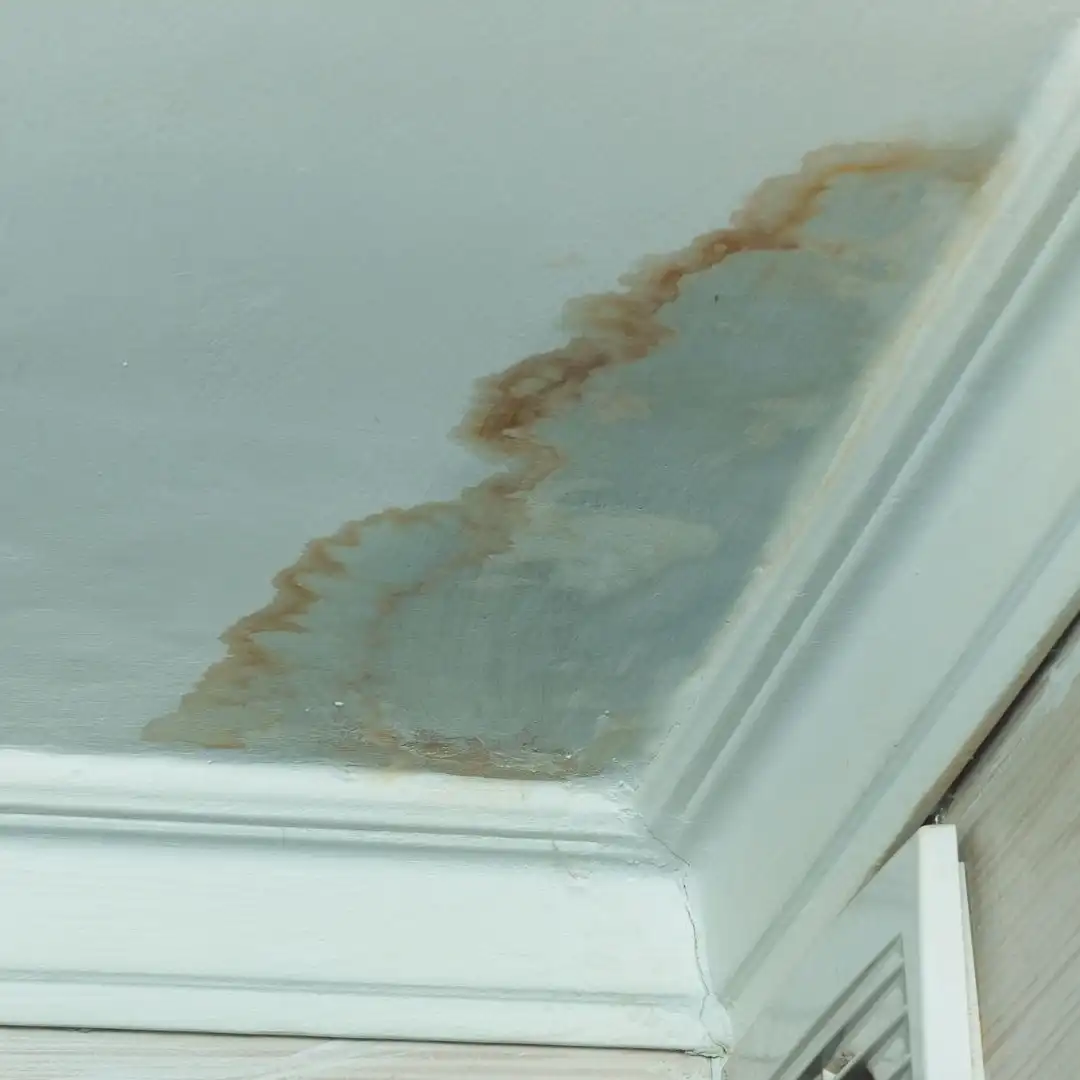
The visible stain on your drywall is almost never the full picture. Water travels along framing, wicks through insulation, and pools at the bottom plate of the wall before it ever shows on the surface. By the time you see a quarter sized brown ring, the wet area inside the cavity is often a foot or more across, sometimes running down into the subfloor. The reality is that the size of the stain tells you very little about the scope of the damage. Proper detection involves mapping the full perimeter of moisture, not just inspecting around the visible mark. Gravity and capillary action also mean the source is frequently above and to one side of the visible stain, not directly behind it. We have traced stains in first floor ceilings to leaks two rooms away on the second floor, where the water rode a joist for eight feet before finding a path down. Our guide on hidden water damage from a slow leak covers what those silent footprints look like in practice.
Myth: Once You Find the Leak, the Wall Will Dry on Its Own
Some homeowners assume that fixing the plumbing ends the job. The reality is that wet insulation, wet bottom plates, and wet sheathing will hold moisture for weeks without active drying, and the 48 hour mold window starts ticking the moment water arrives. Proper restoration means controlled drying with air movement, dehumidification, and sometimes injection drying into the wall cavity through small ports. Our team documents moisture readings daily until the assembly meets dry standard. Skipping that step is how a small leak becomes a mold remediation project six months later.
Myth: If the Water Bill Is Normal, There Is No Plumbing Leak
People assume a hidden leak will spike the utility bill. Sometimes it does. Often it does not, especially with pinhole leaks in copper supply lines or slow weeps at a soldered joint. A pinhole can release less than a gallon a day and still saturate a wall cavity over weeks. Drain line leaks are even sneakier because they only release water when fixtures are in use, which makes the daily volume too small to register on most water bills. The reality is that your bill is a poor screening tool for slow leaks. Your nose, your eyes, and a moisture meter are far more reliable. A musty smell that comes and goes, paint that looks slightly puckered near a baseboard, or a single warm spot on a tile floor are all worth more than a month of flat utility readings.